


Apartment Renovations in Melbourne
We rework layouts, upgrade finishes, and improve storage to get more function from compact spaces.
Get in Touch
Our Projects
How It Works

1. Consultation & Site Assessment
The process starts with a conversation about what’s working, what isn’t, and what you want to change. A site visit helps assess layout possibilities, structural considerations, and any early constraints before planning begins.

2. Design & Planning
Layouts are developed, materials discussed, and selections refined based on your goals and budget. During this stage, drawings, approvals, and scheduling are prepared so the project is ready to move forward without surprises.

3. Construction & Project Management
Once work begins, demolition, building, trade coordination and finishing tasks like caulking and painting are managed step by step. Licensed trades handle structural work, plumbing, electrical, and finishes while progress is monitored throughout the build.

4. Completion & Handover
Final detailing, inspections, and quality checks take place before handover. You walk through the finished space, ensuring everything is completed as planned and ready for everyday use.
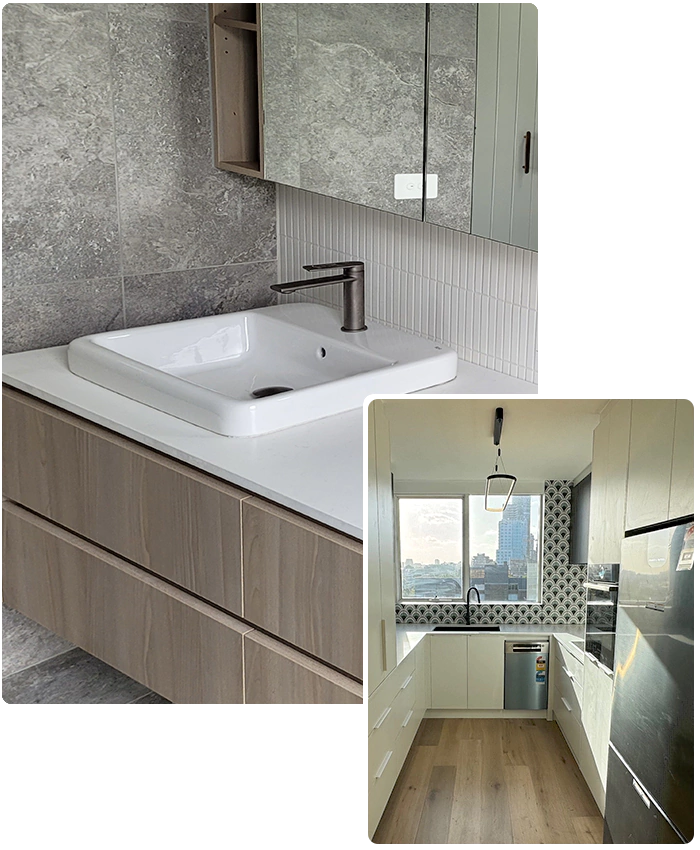
Renovating Within the Realities of Melbourne’s Multi-Residential Buildings
Apartment renovations operate under a different set of pressures than standalone homes. There are shared structures, strata approvals, service risers, fire ratings, acoustic requirements and neighbours separated by a slab or wall. Every decision needs to consider those layers.
Before our renovation experts talk finishes, they look at feasibility. That means reviewing strata by laws, confirming approval pathways, and mapping existing services. During our unit renovations, we check where plumbing stacks run, how thick the slab is, and whether proposed changes interfere with structural elements. In some cases, what looks straightforward on a plan requires adjustment once we see what’s actually behind the walls.
Early-stage planning for all small renovations in Melbourne apartments and units usually covers:
- Strata documentation and compliance requirements
- Lift access coordination and common area protection
- Acoustic underlay specifications for new flooring
- Fire-rating implications for modified walls or ceilings
- Waste removal logistics in restricted-access buildings
You might not see this work happening, but it shapes everything that follows. In most apartment projects, preparation determines whether construction runs smoothly or constantly hits obstacles.
Working inside occupied buildings also requires control as deliveries are timed and dust containment has to be managed carefully. Renovation services in these environments aren’t about speed but about precision and discipline.
Service-Intensive Renovations For Melbourne’s Kitchens & Bathrooms
Kitchens and bathrooms carry the highest concentration of risk in apartment renovations. Plumbing, electrical systems, ventilation, and waterproofing converge in tight footprints. If any one component is compromised, the impact can extend beyond your unit.
In bathrooms especially, compliance is critical. Our focus during apartment and unit renovations is on:
- Certified waterproofing systems installed to Australian Standards
- Accurate floor falls toward drainage points
- Correct sealing of all penetrations
- Ventilation assessment and upgrades where required
- Structural checks before relocating sanitary fixtures
Relocating a toilet or shower isn’t simply a design choice. Hydraulic grading, slab depth, and potential core drilling must be evaluated. Sometimes a proposed layout shift requires structural engineering input. Other times, a refined adjustment achieves the same functionality without increasing complexity.
Kitchen renovations often reveal ageing wiring or limited switchboard capacity once demolition begins. That’s common in older apartments. Rather than concealing outdated systems, we upgrade them to support modern appliances safely and reliably.
Storage is another defining factor in unit renovations. Bulkheads, uneven ceilings, and confined footprints require tailored joinery. Custom cabinetry allows the space to function efficiently without feeling overcrowded. When you connect with us for apartment renovations in Melbourne, we consider all this and much more, ensuring a renovation that is satisfactory and compliant.
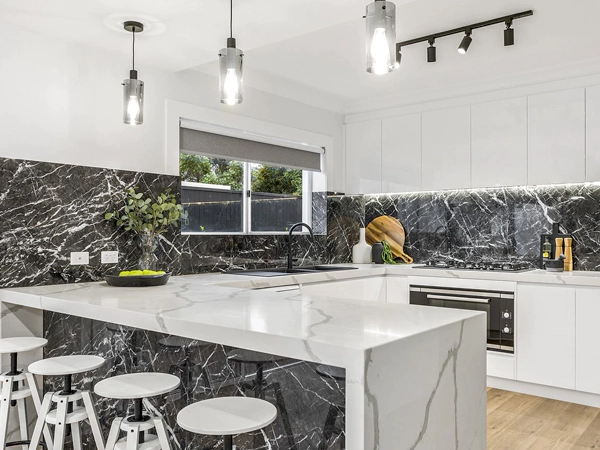
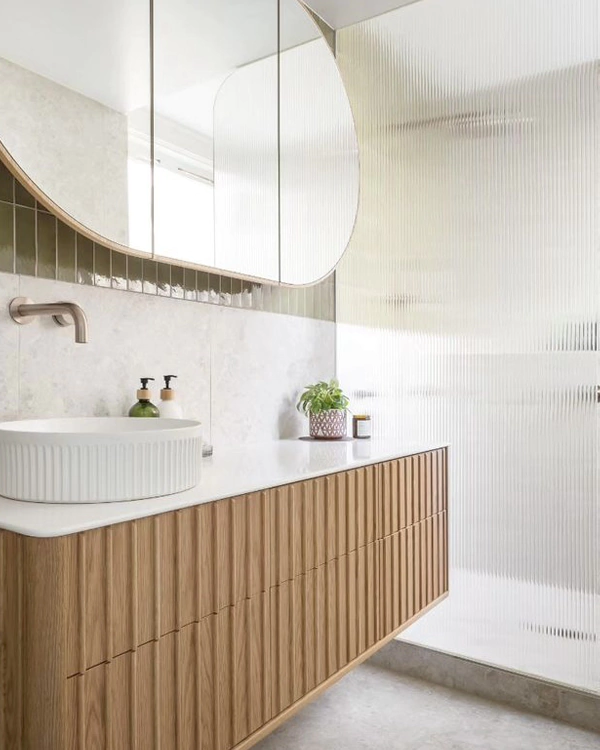
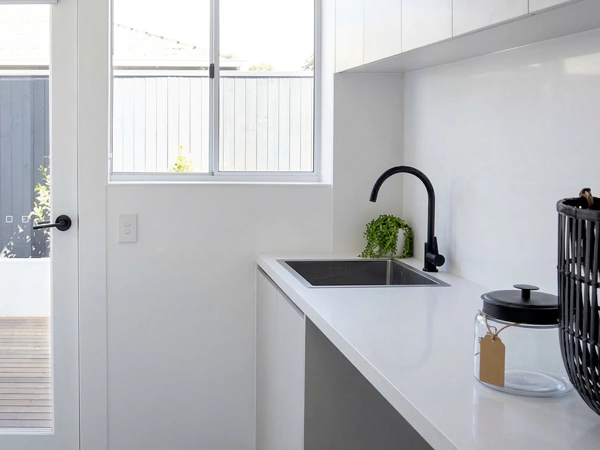
Trusted Apartment Renovations in Melbourne Delivering Durable Finishes & Long-Term Compliance
The final layer of an apartment renovation goes beyond appearance, it’s about performance within a shared structure.
- Material selection must account for weight, acoustic transmission, and durability.
- Flooring systems need compliant acoustic underlays.
- Stone benchtops require appropriate structural support.
- Large-format tiles demand well-prepared substrates to prevent movement or uneven edges over time.
We coordinate licensed trades across carpentry, plumbing, electrical, tiling, and finishing works to ensure sequencing is controlled. Through clear programming and consistent communication, we keep the project stable and compliant, from start to finish.
A well-executed apartment renovation enhances functionality, strengthens resale potential, and integrates seamlessly within the building’s structural and regulatory framework.
If you’re planning to renovate your apartment or unit in Melbourne, arrange a detailed site assessment and feasibility consultation with our team. Contact us today to discuss your project and move forward with clarity.
Testimonials

Based On  Reviews
Doni and his team renovated my apartment, including painting, carpentry and the bathroom. The project was completed to a very high standard, and they were a pleasure to work with throughout. Doni communicated clearly, kept me informed, and offered practical advice whenever needed. I was thrilled with the final result and would happily recommend them.
 - Janie Schwartz
Doni from Lion Property Solutions went above and beyond during my urgent bathroom renovation. He worked within my budget while delivering a luxurious, high-quality finish. Throughout the project he communicated clearly, kept everything organised, and made the experience stress free. His professionalism and attention to detail exceeded my expectations.
- Nardia Begovich
We are extremely happy with the work completed by Lion Property Solutions. They built our new downstairs bathroom and installed cabinets with a small sink in our movie room. Everything turned out even better than we imagined. The team was professional, easy to communicate with, and completed every part of the project to an exceptional standard.
- Adrian
I recently had my bathroom renovated by the team at Lion Property Solutions. From the initial consultation to the final handover, everything was handled professionally. Doni listened to my ideas, offered practical advice, and created a space that was both functional and beautifully finished. The final result exceeded my expectations.
- Spartak Krasniqi
I have worked in the design and renovation industry for over 10 years and have collaborated with many builders. Doni stands out for his knowledge, customer service, attention to detail and commitment to quality. He works closely with clients, follows every design carefully, and consistently delivers outstanding workmanship that clients truly appreciate.
- Teresa Kleeman
I chose Lion Property Solutions after being referred by my real estate agent, and the experience exceeded my expectations. The team managed every stage professionally, kept me informed, and made the renovation completely stress free. They finished on time, delivered outstanding workmanship, and created a beautiful bathroom I absolutely love.
- Katie W
My renovation exceeded every expectation thanks to Doni and his team. Their workmanship, attention to detail and professionalism were outstanding from beginning to end. I received regular updates throughout the project, and any changes were discussed and resolved quickly. The finished result is beautiful and built to a very high standard.
- Tiffany Couttie
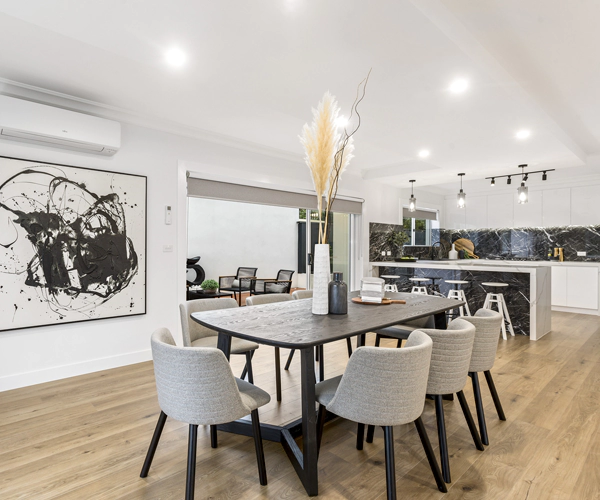
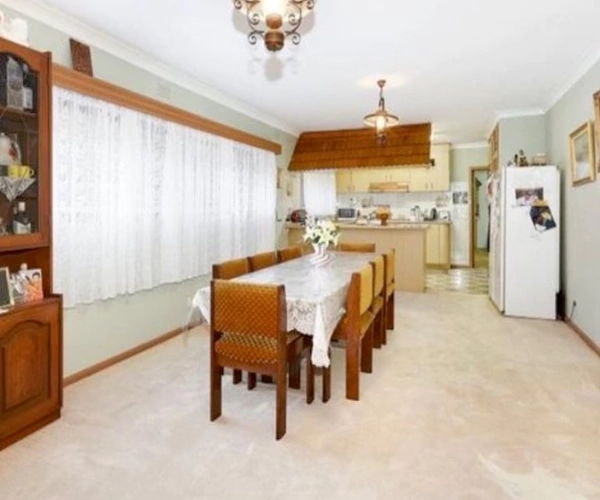
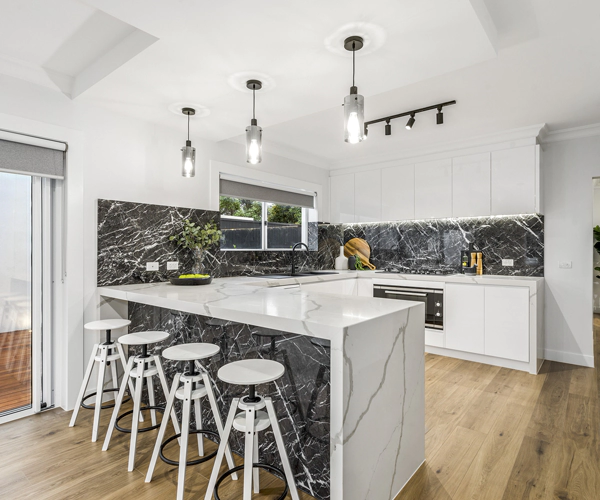
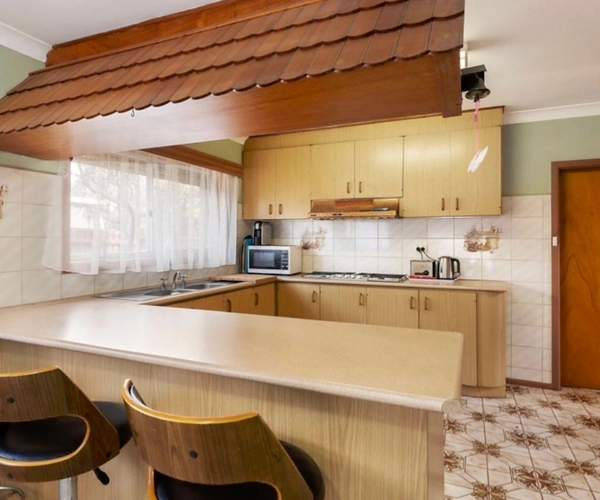
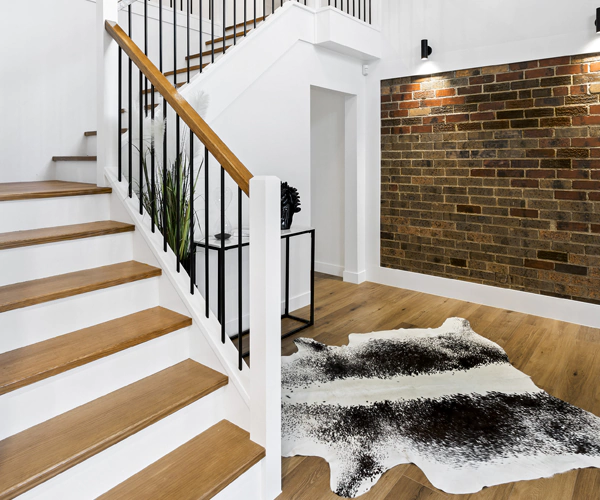
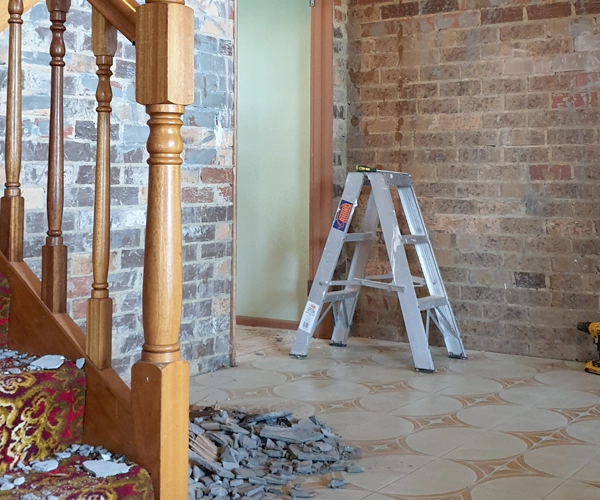
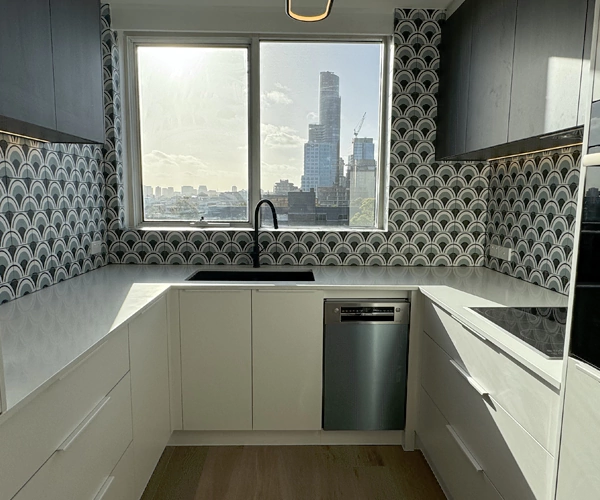
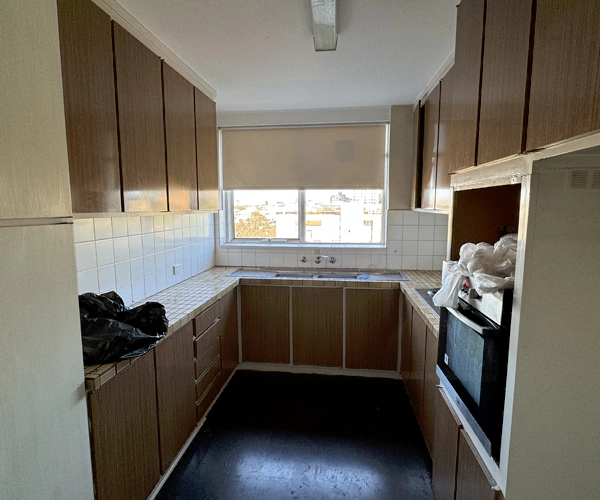
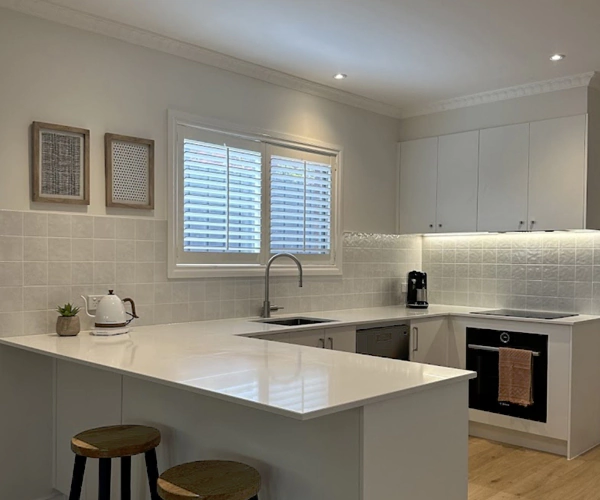
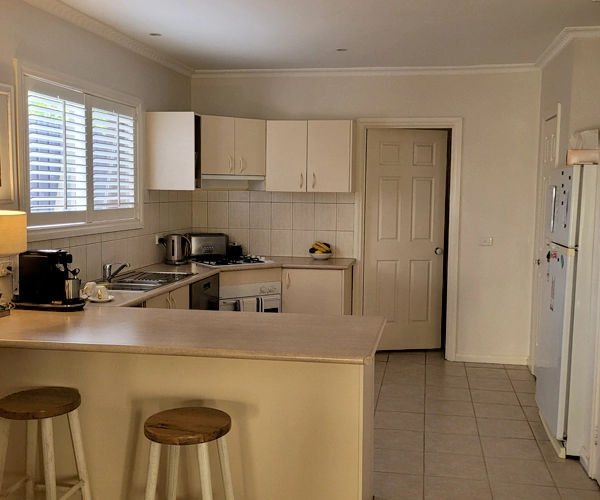
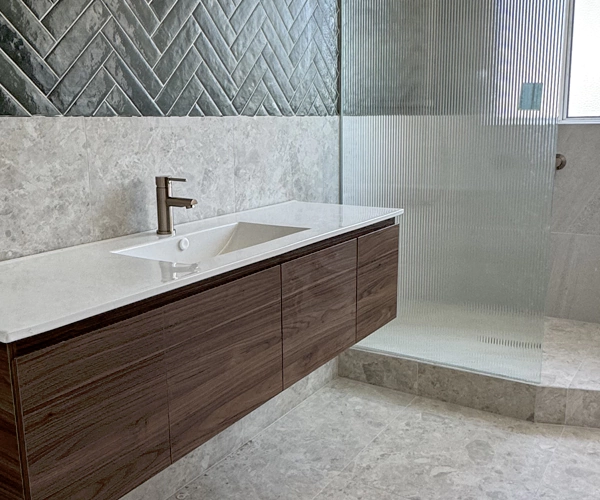
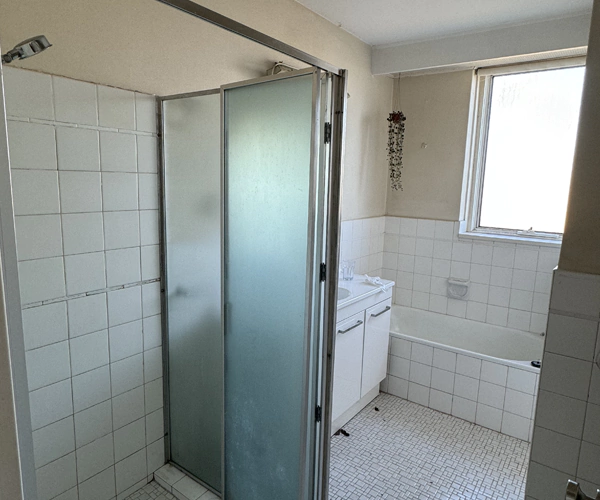
Before After
Our Partners