


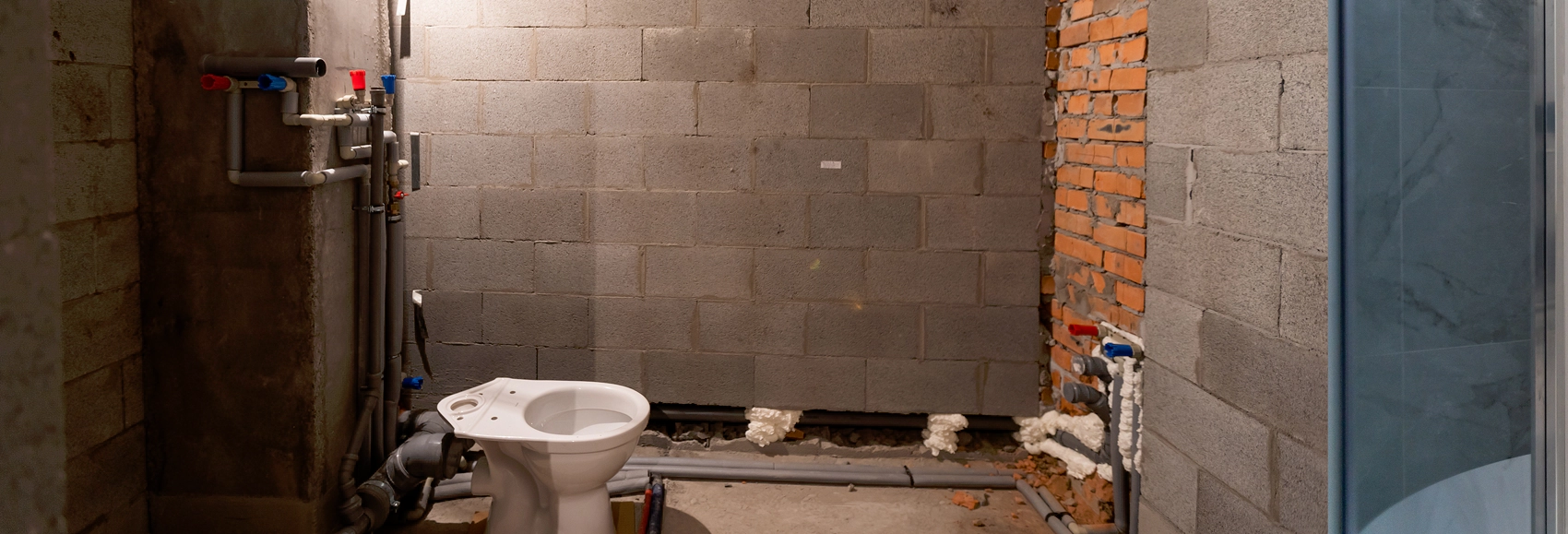
A bathroom renovation involves more than choosing attractive tiles, modern taps and stylish fittings. You also need to think about the available space, plumbing, lighting, storage and ventilation. Without proper planning, even a beautiful bathroom can become difficult to use every day. This is where a bathroom designer can help.
A bathroom designer brings your ideas together and creates a practical plan that suits your home, lifestyle and budget. They guide you through important decisions, help you avoid common mistakes and make the renovation process easier to manage. Understanding what to expect from a bathroom designer can help you prepare for your project and get the most out of their services.
1. Understanding Your Needs and Preferences
Your first meeting with a bathroom designer usually focuses on understanding what you want from your renovated bathroom. They will ask about your daily routine, design preferences, household needs and budget.
For example, a family bathroom may need additional storage and durable surfaces, while an ensuite might benefit from a spacious shower, elegant finishes and better lighting. If you have a small bathroom, the designer may explore ways to make the space feel larger without compromising functionality.
You can also discuss your preferred colours, materials, fixtures and overall style. Whether you like a minimalist bathroom, a contemporary design or a more traditional look, the designer will help turn your ideas into a clear direction for the project.
2. Assessing the Existing Bathroom
Before developing a design, the bathroom designer will assess your existing space. They may take measurements, examine the current layout and identify features that could affect the renovation.
This assessment helps them understand the available floor space, plumbing locations, electrical requirements, ventilation and natural light. They may also consider existing structural elements and any limitations that could affect your plans.
For instance, moving a toilet or shower can involve additional plumbing work and increase renovation costs. Your designer can explain these challenges early and help you decide whether changing the layout is worth the investment.
A detailed assessment also helps the designer identify opportunities to improve the bathroom without making unnecessary changes.
3. Creating a Functional Bathroom Layout
Once the designer understands your requirements, they will develop a layout that makes the best use of the available space.
They will consider the placement of the shower, toilet, vanity and other fixtures. They will also think about movement between these areas, door clearances and access to storage. The goal is to create a bathroom that feels comfortable and works well for everyday use.
In smaller Australian homes, space can be a major consideration. A wall-mounted vanity, recessed shelving or a well-positioned shower screen may help create a more open feel. Larger bathrooms may allow separate shower and bath areas.
Your designer may present different layout options and explain the advantages of each. This gives you an opportunity to compare ideas and make informed decisions before renovation work begins.
4. Helping You Choose Materials and Fixtures
Selecting bathroom materials can quickly become overwhelming because there are so many options available. A bathroom designer helps narrow down the choices based on your style, budget and practical needs.
They may recommend suitable tiles, tapware, basins, vanities, shower screens, lighting and other fittings. They will also consider how these elements work together to create a consistent look.
However, appearance is only one part of the decision. Bathrooms experience regular moisture, temperature changes and frequent cleaning. Your designer can help you choose materials that suit these conditions and are easier to maintain.
For example, you might prefer textured floor tiles for better slip resistance or a vanity finish that handles everyday wear. They can also explain the maintenance requirements of different surfaces so you know what to expect after the renovation.
5. Preparing Design Plans and Visual
Before construction starts, your bathroom designer will usually prepare design drawings or visual references to show how the finished space could look.
Depending on the scope of their services, these may include floor plans, elevations, fixture placements, material selections and 3D visualisations. These details help you understand the proposed design before making a final commitment.
Visuals are particularly useful when you need to compare different tile combinations, vanity styles or colour schemes. They also help you identify changes you want to make before the builder begins work.
The designer may revise the plans based on your feedback. Confirming the important details at this stage can reduce confusion, minimise changes during construction and help keep the project organised.
6. Coordinating With Builders and Other Trades
A bathroom renovation often involves several professionals, including builders, plumbers, electricians, tilers and waterproofing specialists. Depending on the agreement, your bathroom designer may coordinate with these trades to help the project run smoothly.
They can communicate the design requirements, clarify fixture placements and help ensure that everyone understands the intended outcome. Some designers also assist with product ordering, scheduling and checking that selected materials arrive when needed.
However, the level of involvement varies between designers. Some provide design plans and recommendations only, while others offer broader project coordination or renovation management.
Before hiring a designer, clarify which services their fee covers and which responsibilities remain with you or your builder.
7. Managing Your Budget and Expectations
A bathroom designer can help you make decisions that align with your renovation budget. They will consider the cost of materials, fixtures, labour and potential changes to the existing layout.
If your preferred design exceeds your budget, they may suggest alternatives that maintain the overall look without unnecessary spending. For example, keeping existing plumbing locations or choosing similar-looking tiles at a lower price may help control costs.
Your designer can also explain where spending more could provide better long-term value, such as durable fixtures, effective ventilation or quality waterproofing.
Although designers can help you plan your spending, they cannot guarantee that unexpected costs will never arise. Older bathrooms may reveal hidden plumbing problems, water damage or structural issues during demolition. Keeping a contingency amount aside can help you manage these surprises.
8. Supporting Decisions During Construction
The designer’s involvement may continue after the renovation begins, depending on your agreement. You may need their advice when a product becomes unavailable, a measurement changes or a construction issue affects the original design.
They can help assess alternatives and explain how proposed changes could affect the bathroom’s appearance and functionality. If the project includes design consultations during construction, they may also review progress against the approved plans.
Keep in mind that the builder usually manages construction activities, site safety and trade scheduling unless your contract states otherwise. A designer’s role does not automatically include supervising every stage of the renovation.
Conclusion
A bathroom designer helps you create a space that balances style, functionality and budget. At Lion Property Solutions, we help homeowners explore practical renovation solutions that suit their needs and enhance their homes. With proper planning and expert guidance, you can enjoy a bathroom that offers comfort, functionality and lasting value.