


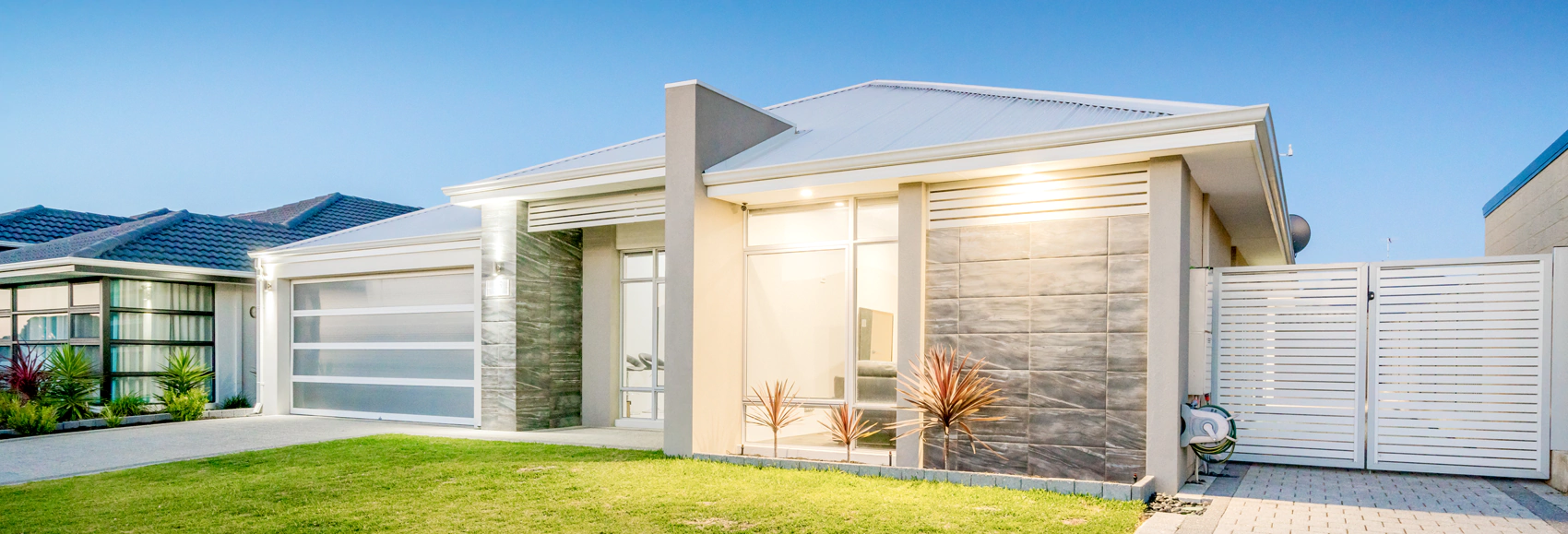
Building a new home is an exciting project but it’s a whole lot more than just picking out a floor plan and picking some paint colours. Building a house from scratch involves a whole heap of planning, from setting a budget to collecting the keys. The good news is that with a bit of knowledge you can make informed decisions, sidestep common pitfalls and keep your project on track.
Here’s a step by step guide to give you a good idea of how to build a new home.
Step 1 – Work Out Your Budget
First things first, figure out how much you can comfortably spend on your new home. Your budget needs to cover more than just the construction cost – you’ve also got to factor in things like land, design fees, council costs, permits, site prep, landscaping, appliances and loads of other expenses.
It’s also a good idea to leave a bit of wiggle room for the unexpected as building projects can throw up surprises that you didn’t see coming at the beginning.
Having a clear budget will give you a pretty good idea of what you can afford and will help guide your decisions as the project goes on.
2. Picking Out the Perfect Block of Land
If you haven’t purchased a block of land yet, you’re next step is to track one down that ticks all the right boxes for you and your budget.
Take a long hard look at the size, location, orientation and general shape of the block. Don’t forget to check out the access, slope, soil quality and what services are in the area. All of these factors are going to impact on the design of your home and the final construction cost.
Before you put in an offer, make sure you’ve checked out whether there are any planning restrictions or site issues that could potentially scupper your building plans.
3. Designing Your Dream Home
Once you’ve found your block, it’s time to start thinking seriously about how you want your home to look. Think about how you’ll be using each room and what your needs might be in the years to come.
Work out how many bedrooms and bathrooms you’re going to need, as well as how much living space, storage and outside areas you’ll require and don’t forget about parking. Don’t forget about natural light and ventilation, and think about how to make your home more energy efficient.
You’ll probably want to bring an architect, building designer or builder on board to start working up some designs that’ll make the most of your block and meet your needs.
4. Choose a Builder
Choosing the right builder is one of the most important decisions you will make. Research different builders and compare their experience, previous projects, inclusions, pricing and customer reviews.
Ask questions about what the quoted price includes and whether any costs sit outside the contract. Make sure you understand the building agreement before signing it.
A good builder should also communicate clearly and explain the construction process, timelines and your responsibilities.
5. Finalise Plans and Approvals
Before construction can begin, you need to finalise your building plans and complete the required approvals.
The exact requirements can vary depending on your location and project. Your builder or design professional can help you understand the relevant planning and building requirements.
Take time to review your plans carefully at this stage. Changes can become more difficult and expensive once construction has started.
6. Prepare the Site
Before builders can start constructing your home, they need to prepare the site. This may involve clearing vegetation, removing existing structures, levelling the land and preparing the ground for construction.
The work required will depend on the condition of your block. Sloping or difficult sites may require additional preparation, which can affect both costs and timelines.
Once the site is ready, the construction team can begin the foundation work.
7. Build the Foundation and Structure
The foundation provides the base for your new home. Once it is complete, construction can move towards the main structure.
Depending on your design, this stage can include building the walls, installing the roof structure and fitting windows and external doors. At this point, your home will start to take shape.
Your builder will coordinate different trades throughout this stage to make sure the work progresses in the correct order.
8. Complete Plumbing, Electrical and Interior Work
After the main structure is in place, trades can work on the internal systems and finishes. This can include plumbing, electrical wiring, insulation, plasterboard, flooring, cabinetry and painting.
You will also see kitchens, bathrooms and other rooms start to come together. Fixtures and fittings selected during the design stage will be installed according to your plans.
Regular communication with your builder remains important. If you need to clarify a selection or identify an issue, raising it early can make the process easier.
9. Complete the Final Checks
Before you move into your new home, the builder will complete the final stages of construction. This includes finishing outstanding work, cleaning the property and checking that the home meets the agreed requirements.
You should also inspect the property carefully and note any items that need attention. Your builder can then address the agreed issues before handover.
Do not rush through this stage. A detailed final inspection can help ensure your new home is ready for you to move in.
10. Get the Keys to Your New Home
Once the required work and final checks are complete, you can prepare for handover. Your builder should provide the relevant documentation, information about your home and the keys to the property.
Before moving in, take some time to understand how your appliances, fixtures and systems work. Keep important documents, warranties and maintenance information in a safe place.
Conclusion
Building a new home can take time, but careful planning can make the experience much easier. At Lion Property Solutions, we understand that every new home project comes with its own requirements and decisions. We can help you navigate the process and plan your project with greater confidence. With the right preparation, a realistic budget and clear communication with your builder, you can turn your ideas into a home that suits your needs, lifestyle and future.